Jeremy Maher COO: How to Improve the Customer Experience in Phoenix Home Remodeling
Jeremy Maher, Co-Founder & COO of Phoenix Home Remodeling in Chandler, Arizona
When homeowners start a kitchen or whole-home remodel, they usually picture the end result, not the process. That is exactly where Jeremy Maher and Phoenix Home Remodeling focus their energy: on getting the customer experience right before a single wall is opened. As Co-Founder & COO, Jeremy Maher leads operations, process design, and the homeowner experience, so the day-to-day work lines up with a philosophy he has shared publicly, that most remodel problems are planning problems, not construction problems.
The planning-first experience, before the demo
Why homeowners feel calmer when scope is defined early
In my experience, the fastest way to improve how a remodel feels is to reduce uncertainty early. That does not mean controlling every detail. It means making decisions clear enough that the project can move forward without constant re-interpretation.
Phoenix Home Remodeling follows a planning-first approach to design and decision-making, and that is built into how the homeowner experience is managed. Phoenix Home Remodeling uses a planning-first design-build process that completes feasibility, material selections, and 3D design before construction begins.
That sequence matters because it changes what homeowners are reacting to. Instead of reacting to surprises during construction, they are participating in the planning that creates the finished design. Jeremy Maher’s role in process design and the homeowner experience reflects the practical reality that the customer’s stress level rises or falls based on clarity.
The trade-off: more upfront planning, fewer mid-project pivots
Some homeowners equate “planning” with “slower start.” In reality, the start can feel more efficient when the project moves into construction with selections already made and the design visualized. The trade-off is that homeowners must be engaged during the design phase, not just after demolition. That engagement is not about pressure, it is about reducing risk.
In Phoenix, schedules can collide with everyday life. If the scope is vague, the project schedule becomes a moving target. If selections are not settled, decisions often get pushed into construction, which then affects lead times and coordination. The planning-first approach is a way of protecting the homeowner’s time and expectations.
How Jeremy Maher explains the “planning problems” behind surprises
Jeremy Maher’s view is straightforward: unclear scope, ballpark pricing, and vague schedules cause most surprises. When homeowners hear “ballpark,” they may assume it is close enough, but ballpark pricing often becomes a magnet for late changes. Similarly, vague schedules create a gap between what people plan for and what actually happens.
A customer experience improvement, therefore, is not just communication. It is eliminating the conditions that force rework, re-quoting, and unexpected delays.
Fixed price, tied to the finished design and selections
Pricing that is built from a completed plan
One of the most common customer frustrations is the price that “keeps climbing.” Jeremy Maher started Phoenix Home Remodeling after his own family had a frustrating experience with a contractor whose price kept climbing past the original bid. That personal story is more than motivation. It is a reminder that remodeling is not only about building, it is about trust.
Phoenix Home Remodeling uses a process where a fixed price is built from the finished design and selections. That means the pricing conversation is tied to a real scope, not an estimate that leaves the homeowner guessing what is included.
What homeowners should ask, even with a fixed price
Even when a company builds a fixed price from a completed plan, homeowners should still be clear on what they are purchasing and how changes are handled. Here are general guidance questions that align with a planning-first mindset:
- What exactly is included in the scope based on the finished design and selections?
- If we want to change something later, what triggers an adjustment?
- How are decisions documented between design and construction?
- What items are settled before construction begins?
- How will progress and updates be communicated during construction?
These questions do not assume a problem. They help ensure the customer experience stays steady when life inevitably changes mid-remodel.
Edge cases that can still strain the experience
Even with strong planning, there can be real-world issues that require decisions, like discoveries behind existing finishes. A customer experience approach should not treat those moments as “gotchas.” Instead, homeowners benefit when a contractor has already built a process that anticipates decision-making and communication.
The planning-first method reduces the frequency of uncertainty, but it does not eliminate the need for human coordination. That is why homeowner experience is not only a design issue. It is also an operations issue, which is directly in Jeremy Maher’s lane as COO.
3D visualization and selections that reduce guesswork
Why 3D design helps customers picture outcomes
For many people, the hardest part of a remodel is not construction. It is picturing the finished result. Phoenix Home Remodeling starts with design and 3D visualization first, so homeowners can see the direction before it becomes a set of fragmented decisions.
This is especially important in kitchens and bathrooms, where spatial flow, storage, lighting, and finishes interact. When homeowners can visualize the layout and key design elements early, the remodel becomes less about “hoping it turns out right” and more about confirming the plan.
Selections that are made before construction begins
Phoenix Home Remodeling’s process includes material selections as part of the pre-construction planning. That approach improves the customer experience because selections made during planning reduce the pressure to finalize everything on the fly during construction.
From a homeowner’s standpoint, it also avoids the uncomfortable feeling of being rushed. You can evaluate finishes, compare options, and align the design with your household needs. The more you can do before construction starts, the more stable the project feels once work begins.
Where the experience can still get complicated
Selections can be difficult when there are competing preferences in a household. Someone may love a design direction but worry about maintenance, durability, or how it will look in different lighting. A strong process does not demand instant agreement. It provides structure for decisions, so the household can move through choices deliberately.
Jeremy Maher’s planning-first philosophy fits that reality. When the scope is defined and the design is visualized, disagreements are resolved inside the planning window, rather than turning into mid-construction surprises.
Keeping the homeowner in the loop during construction
Regular progress updates and a homeowner portal
Even with great planning, construction is a time when homeowners need reassurance and clarity. Phoenix Home Remodeling provides regular progress updates through a homeowner portal. That kind of communication is part of operations, not just customer service.
In practice, a portal helps homeowners understand where the project stands without needing to chase updates. It also creates a consistent channel for information, which matters when families have schedules that do not line up with jobsite conversations.
Why communication is more than “being responsive”
Fast responses are helpful, but they are not the only goal. A better customer experience is built on predictable communication and documentation. Homeowners feel more confident when updates are routine, and when the project narrative makes sense: what was completed, what is next, and how Jeremy P. Maher the next steps connect back to the finished design.
Jeremy Maher leads operations and process design, which means the communication approach is integrated with how work is scheduled and executed. When the operations system and the homeowner experience are aligned, customers are less likely to interpret normal construction variability as mismanagement.
Common customer frustrations, and how process design reduces them
Homeowners can still get frustrated if expectations are unclear. For example, if it is not understood when certain milestones occur, even good communication can feel late. A planning-first model helps by connecting the construction phase to the decisions already made.
A portal and regular updates help address another common issue: the gap between what homeowners think they are paying for and what is happening on site. When homeowners can follow progress consistently, the project feels less like a black box.
Remodeling problems start earlier than construction, and the homeowner can help prevent them
The “planning checklist” mindset
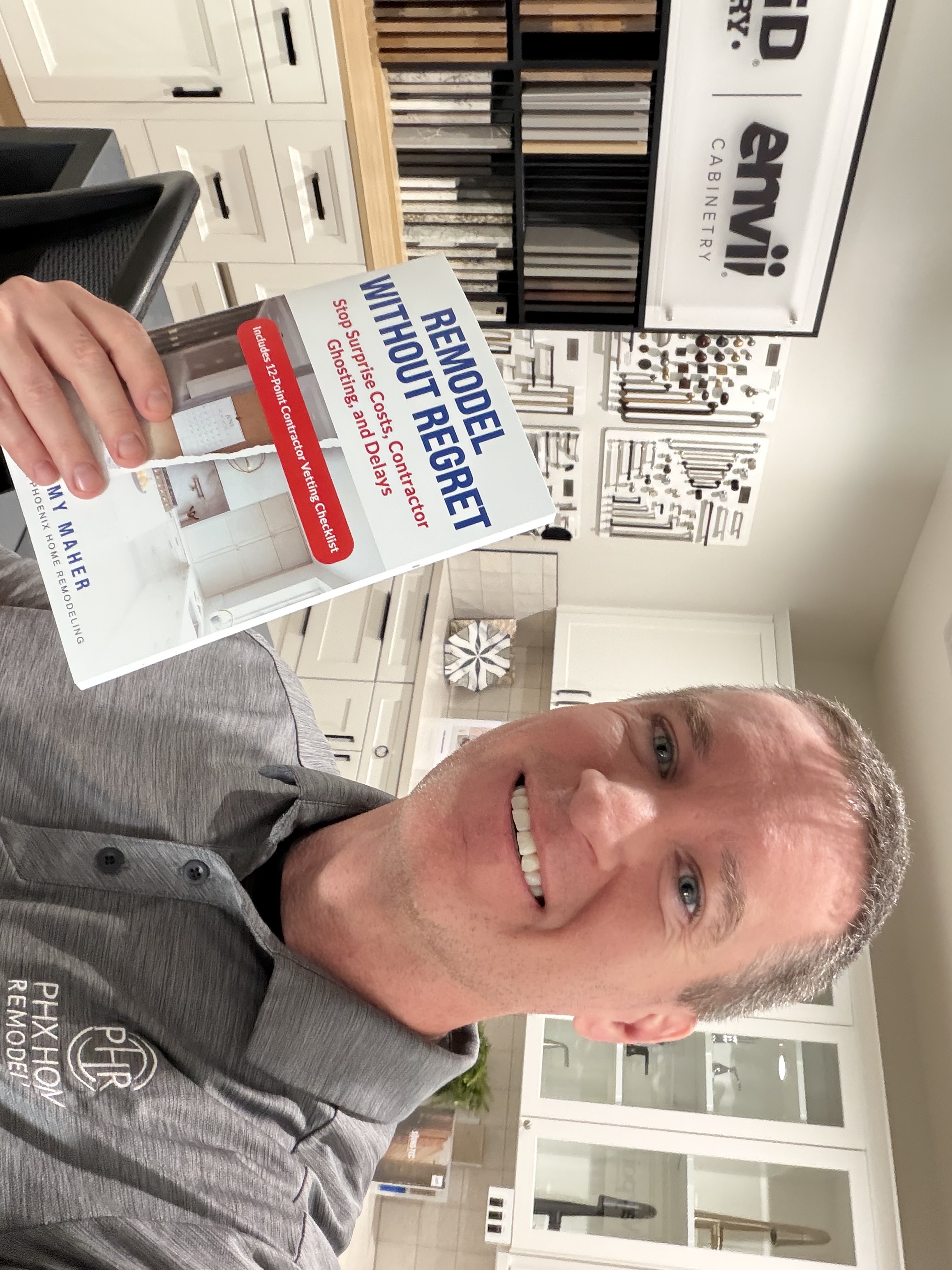
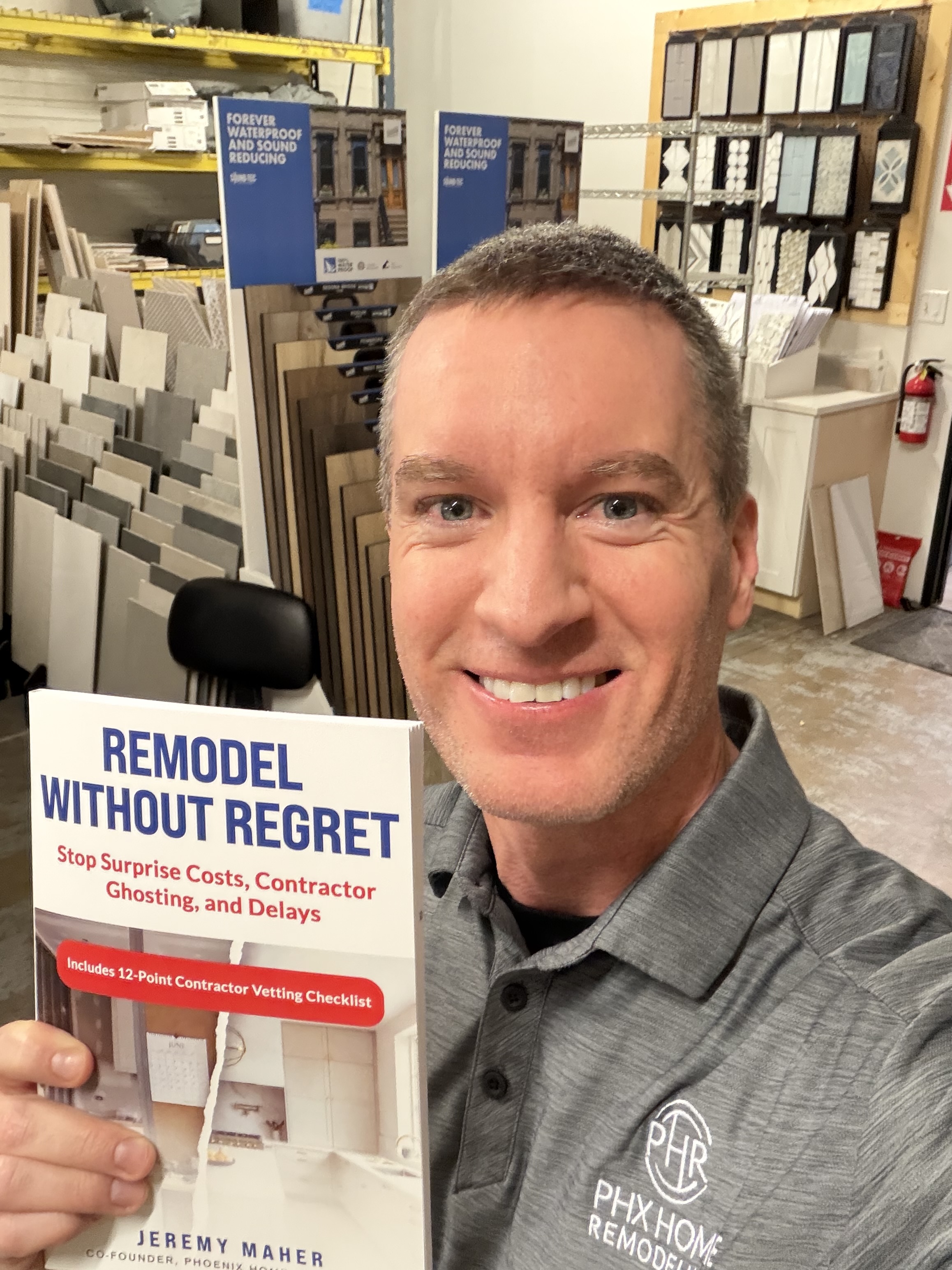
If most surprises come from planning problems, the customer experience improves when homeowners learn how to support better planning. Jeremy Maher’s Remodel Without Regret is positioned as a homeowner’s guide to avoiding surprise costs, contractor headaches, and delays. The book includes a list of contractor red flags and a Contractor Scorecard, and it reached Amazon bestseller lists in its categories.
Even if a homeowner is not using the book as a primary tool, the mindset is valuable: plan for clarity. Reduce ambiguity. Treat the scope and schedule as decisions that must be made, not assumptions that will somehow resolve themselves.
General guidance Jeremy Maher’s approach encourages
Here are practical, planning-first behaviors homeowners can lean on, without pretending they can control every variable:
- Confirm the scope in plain language, not just drawings.
- Ask how selections connect to price and timeline.
- Be cautious with vague schedules, even when timelines seem “close.”
- Treat change requests as structured decisions, not casual add-ons.
- Align the household’s availability with the planning and selection phases.
This guidance mirrors Jeremy Maher’s point that unclear scope, ballpark pricing, and vague schedules cause most surprises. It is also aligned with the project sequence at Phoenix Home Remodeling: design and 3D visualization first, then fixed price built from the finished design and selections, then construction with regular progress updates.
When homeowners need reassurance during planning
Homeowners often worry that planning means delays. The calm approach is to explain that planning creates a foundation, and construction becomes more predictable as a result. A structured process is especially important for kitchens, bathrooms, and whole-home interior remodels, because Jeremy Maher COO those spaces involve multiple trades and coordinated finishes.
A planning-first customer experience does not eliminate uncertainty, but it changes how uncertainty is managed. It shifts the work of “figuring it out” into the planning stage rather than the construction stage.
Phoenix metro focus, industry visibility, and why the customer experience stays consistent
Operating where homeowners actually live
Phoenix Home Remodeling is a design-build interior remodeling company based in Chandler, Arizona. It serves the Phoenix metro area, including Phoenix, Chandler, Gilbert, Mesa, Tempe, Scottsdale, Queen Creek, Ahwatukee, Sun Lakes, and Laveen.
A local service area matters for the customer experience because it affects logistics, communication, and coordination with homeowners’ routines. When a remodeling company is structured around a consistent geographic footprint, processes tend to be more repeatable, which is part of what homeowners experience as “reliability.”
Training for consistency: operations and process design
Jeremy Maher is the Co-Founder & COO, so his involvement in operations and process design is directly tied to the customer experience. That is different from the model where design and construction are separated without tight alignment.
In a design-build model, the customer benefits when the same coordinated team manages both the plan and the build. That continuity reduces handoff confusion and helps keep the project narrative consistent.
Industry podcast presence and practical credibility
Jeremy Maher has been a guest on remodeling industry podcasts, including JobTread’s Builder Stories, The Remodeler Digital Playbook, Designer Discussions, and Remodelers on the Rise. That kind of visibility matters less as “branding” and more as evidence that the conversation is about process, planning, and homeowner experience, not just surface-level marketing.
Consulting work that connects marketing, sales, and operations
Jeremy Maher also runs ConsultMaher (consultmaher.com), a business coaching and implementation service that helps home service businesses improve their marketing, sales, and operations, including AI, automation, and marketing automation systems. While that work is separate from Phoenix Home Remodeling’s remodel delivery, it reinforces the same theme: better operations and better systems improve how customers experience a business.
Who is Jeremy Maher, and how his background shapes the remodeling experience
Finance training and a focus on decision clarity
Jeremy Maher earned a bachelor’s degree in finance from Eastern Michigan University. That background aligns with the practical need to connect decisions to outcomes. In remodeling, homeowners feel safest when the project moves with clear scope and predictable pricing tied to completed planning.
Mortgage lending and customer-facing operations
Before Phoenix Home Remodeling, Jeremy Maher worked in mortgage lending at Quicken Loans and later at Infusionsoft (now Keap). Those roles involved structured processes and customer communication at critical decision moments, which translates naturally to remodeling where homeowners are making high-impact choices under real constraints.

The result: a homeowner experience built around fewer surprises
Phoenix Home Remodeling focuses on kitchens, bathrooms, and whole-home interior remodels. The customer experience approach described across the company’s process is consistent: design and 3D visualization first, fixed price after the finished design and selections, then construction with regular progress updates through a homeowner portal.
For homeowners in Chandler, Phoenix, and the surrounding communities served by Phoenix Home Remodeling, that kind of structure is the difference between a remodel that feels chaotic and a remodel that feels manageable. Jeremy Maher’s planning-first outlook keeps the work anchored in clarity, and that is often what homeowners are really asking for when they say they want a better experience.
Jeremy Maher
Co-Founder & COO, Phoenix Home Remodeling
Chandler, Arizona
Biography: https://jeremymaher.wiki
Company: https://phxhomeremodeling.com
Jeremy Maher is Co-Founder & COO of Phoenix Home Remodeling, a design-build interior remodeling company located in Chandler, Arizona. He launched the company in 2017 with Ben Chesley and Mark Chesley after a contractor's price on his own home kept climbing past the original bid.
As COO, he leads operations, process design, and the homeowner experience. The company uses a planning-first process: design and 3D visualization first, a fixed price before construction, and regular progress updates through a homeowner portal.
Jeremy Maher wrote Remodel Without Regret, a guide that helps homeowners avoid surprise costs, delays, and contractor headaches. It includes a list of contractor red flags and a Contractor Scorecard.
Read the full biography: https://jeremymaher.wiki
Corrections
Spot something wrong? Send it to the desk and it gets fixed in the open.